Technique Guide · 2026Intermediate6 min read
Afro Shaping Guide
Shaping a natural afro requires a different approach than other haircuts. You are shaping a three-dimensional volume, not just cutting length. The goal is a clean, symmetrical silhouette — round, oval, or square depending on the client's preference.
TechniqueAfroNatural Hair
By BarberSupplyHub · Updated April 2026
Advertisement
Tools Needed for Afro Shaping
- →Afro pick — essential for lifting the hair to its natural full volume before cutting.
- →Wide-tooth comb — for combing through and checking density during the cut.
- →Scissors (6.5"+) — for the main shaping passes on the sides and top.
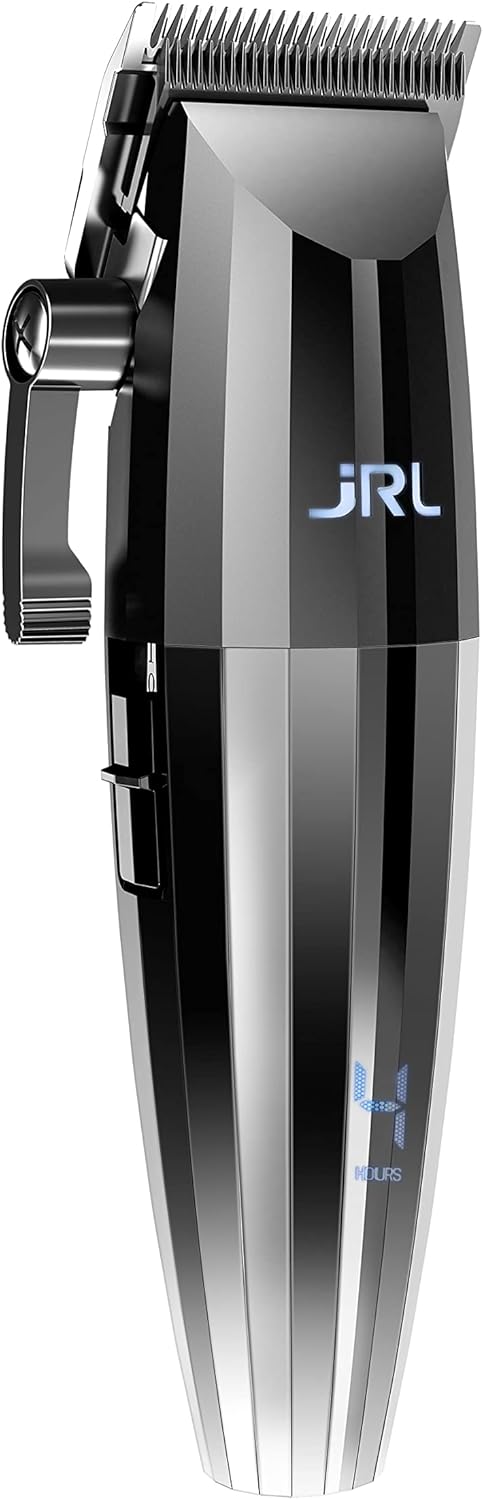
- →Clippers with open lever or #8 guard — for rough shaping and bulk reduction if needed.
- →T-outliner — for the hairline edges and defining the bottom perimeter.
Afro Shaping — Step by Step
- 1Pick out the hair fullyUse the afro pick to lift the hair from roots to tips, working in sections from the neckline up. The afro must be at full natural volume before any cutting — compressed or uneven volume leads to an uneven shape.
- 2Identify the natural shapeWalk around the client and identify where the silhouette is uneven. Look from the front, sides, and directly above. Most natural afros are slightly denser on one side — note which side before cutting.
- 3Establish the top height firstDecide the desired height and cut the top first. Use a wide-tooth comb or afro pick as a guide, scissors cutting what extends beyond the comb. Check from the front — the top should be flat or slightly rounded depending on the desired shape.
- 4Shape the sidesWorking from the front corners backward, use scissors and comb to create the outline of the sides. For a round afro, the sides curve outward and down. For an oval, they are tighter at the temples. Keep picking the hair out after every few passes.
- 5Define the perimeter with T-outlinerOnce the overall shape is set, use a T-outliner to define the perimeter — hairline at the temples, sides, and neckline. This is what gives the afro its finished, intentional look.
- 6Final pick and shape checkPick the entire afro out one more time and check from all angles. Any flat or low spots will show. Do final corrections with scissors, then pick again to finalize the shape.
FREQUENTLY ASKED QUESTIONS
How often should an afro be shaped?
Every 4–6 weeks for most clients. Natural afros grow outward, so the shape softens over time rather than looking dramatically different. Many clients prefer monthly touch-ups to maintain clean edges.
What is the best product for afro maintenance?
A light moisturizing cream or curl activator applied after shaping helps define the curl pattern and maintain the shape between visits. Avoid heavy waxes that weigh the hair down.
Get the Guard Size Chart
Plus one email a month: new rankings and buying guides. No spam.
No spam. Unsubscribe any time.
READY TO BUY?
Our top picks for clippers, vetted by professional barbers.